Nativity Scene Christmas Layered Papercut Review
As a designer who has spent years translating digital concepts into thread, I approach every new machine embroidery design with a mix of curiosity and caution. The market is flooded with generic holiday motifs, so when I encountered the Nativity Scene Christma Layered Papercut, my first instinct was to look past the preview image and assess its structural integrity for real-world application. This is not just about whether a design looks pretty on a screen; it is about how it behaves under the needle, how it wears after washing, and whether it adds genuine value to a handmade product.
First Impressions and Visual Mood
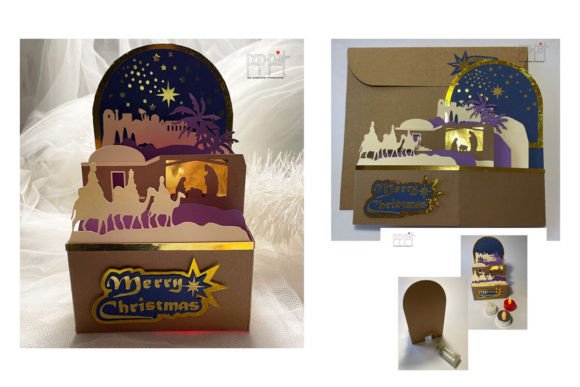
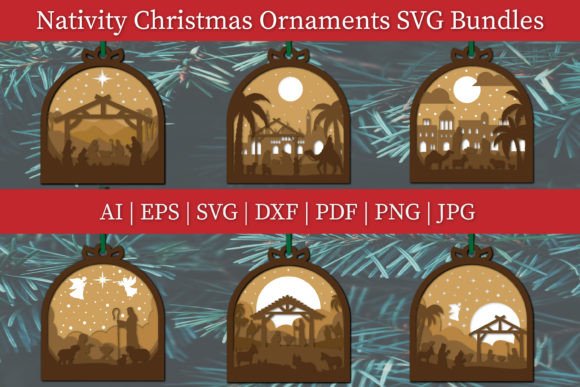
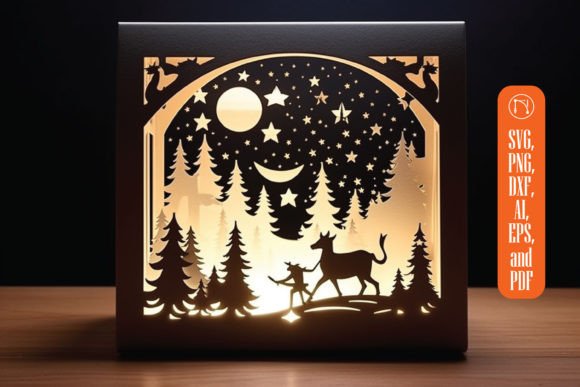
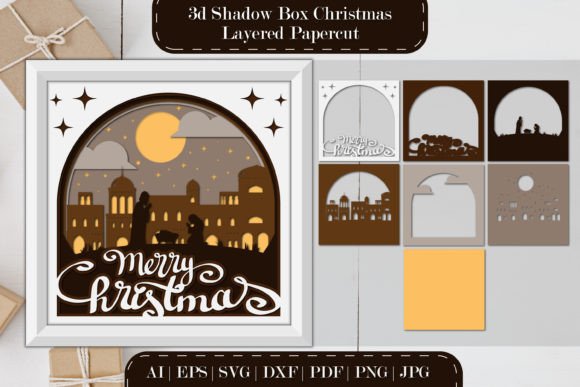
The immediate appeal of this design lies in its aesthetic lineage. By mimicking the popular layered papercut style, it offers a sense of depth and shadow that is difficult to achieve with standard flat embroidery. For a Christmas themed item, this creates a warm, nostalgic mood that resonates well with customers looking for something more sophisticated than a cartoonish Santa or basic star. The layout suggests a careful balance between negative space and filled areas, which is crucial for maintaining clarity in stitched form.
However, as an experienced reviewer, I note that "layered" in digital cut files does not always translate directly to embroidery. In stitching, layers are simulated through color changes, stitch types, and shading. The visual personality of this piece feels serene and traditional, making it a strong candidate for items where emotional connection matters, such as nursery decor or heirloom-quality gifts.
Real-World Application Scenarios
To truly evaluate the Nativity Scene Christma Layered Papercut, I mentally placed it into several common production scenarios. Here is how it performs across different mediums:
- Sweatshirt Embroidery: On a heavyweight fleece or cotton blend, this design would shine. The density required to mimic the papercut layers would sit well on thick fabric without causing puckering, provided the correct stabilizer is used. It serves as a striking chest piece or a larger back design for a boutique holiday collection.
- Tote Bag Design: For canvas totes, the high contrast of the layered look works beautifully. It transforms a simple bag into a statement piece. However, one must consider the width of the tote handles and ensure the design fits within the usable area without distorting near the seams.
- Pillow Covers and Home Decor: This is perhaps the most natural home for this design. A linen or velvet pillow cover allows the texture of the thread to complement the visual depth of the nativity scene. It elevates the item from a seasonal decoration to a piece of textile art.
- Baby Embroidery: While the theme is appropriate, the complexity might be too much for small baby garments unless scaled down significantly. For a baby blanket, however, it could serve as a beautiful corner accent or central medallion, offering a gentle, spiritual touch.
Technical Considerations for Stitching
When working with a design inspired by a 3D SVG cut file, we must bridge the gap between vector cutting and needlework. The original description notes that the download includes an SVG for Cricut machines, but for embroidery, we are dealing with thread physics. Here are the critical technical aspects to monitor:
Stitch Density and Type: To achieve the "layered" effect, the design likely relies on a combination of fill stitch for the background layers and potentially satin stitch for defining edges or text. If the density is too high in overlapping areas, you risk creating a stiff, cardboard-like patch on your fabric. Conversely, if the density is too low, the underlying fabric may show through, breaking the illusion of depth. Always check the stitch count relative to the size.
Fabric Texture and Stability: This design demands stability. Attempting to stitch this on thin, stretchy, or loosely woven fabric without proper support will result in distortion. A cut-away stabilizer is highly recommended for garments that will be washed frequently, while a tear-away might suffice for decorative wall hangings that will never see a washing machine.
Thread Color Contrast: The success of the papercut illusion depends entirely on color selection. You need distinct shades to separate the layers. Using monochromatic threads with subtle value differences (e.g., dark blue, medium blue, light blue) can create a sophisticated, shadow-box effect. Avoid clashing colors that distract from the silhouette.
Where to Use Caution
Not every project is suitable for this level of detail. I advise caution in the following situations:
- Small Hoop Sizes: If you are restricted to a 4x4 inch hoop, the intricate details of the nativity figures may become lost. The design needs room to breathe. Scaling it down too much will merge fine lines into a blob of thread.
- Curved Surfaces: Stitching this on a cap or a curved mug requires advanced hooping techniques. The layered effect can distort easily on tight curves, leading to misalignment between color stops.
- Dark Fabrics: If the design includes light-colored elements intended to represent paper layers, stitching them on black fabric requires excellent coverage. You may need an underlay stitch or a base layer of white thread to prevent the dark fabric from peeking through.
Commercial Viability and Brand Value
For Etsy sellers and craft business owners, the Nativity Scene Christma Layered Papercut offers a unique selling proposition. It moves away from mass-produced aesthetics, allowing you to position your finished product as premium and artisanal. Customers perceive complex, multi-layered designs as higher value, which can justify a higher price point for your personalized gift offerings.
However, professionalism is key. Before listing this as a commercial embroidery asset or using it in client work, you must verify the licensing terms. Since the product description mentions it is a digital embroidery file derived from a cut file, ensure that the creator grants commercial rights for physical goods. Never assume; always read the license included in the ZIP file.
Practical Designer Notes
Before committing to a full production run, follow these steps:
- Test on Scrap Fabric: Always stitch out a test sample on the exact fabric type you intend to use. This reveals any tension issues or registration errors.
- Check Thread Colors: Run a simulation in your embroidery software if possible, or stitch a small section to see how the thread sheen interacts with the design layers.
- Inspect Small Details: Zoom in on the digital file. Are there tiny isolated stitches that might pull out? Trim jump stitches carefully to maintain a clean finish.
- Mockup Verification: Create both color and black-and-white mockups. If the design loses its definition in grayscale, the contrast between layers is insufficient.
In conclusion, the Nativity Scene Christma Layered Papercut is a compelling choice for designers who understand the nuances of thread and fabric. It is not a plug-and-play solution for every surface, but when applied correctly to suitable materials like sweatshirts, pillows, or totes, it delivers a high-impact, emotionally resonant result. Treat it with the respect due a detailed piece of art, and it will elevate your holiday collection significantly.