Panda SVG - Multi-Layer Assemble Review
As a designer who has spent years navigating the intersection of digital assets and physical textiles, I approach every new file with a critical eye. The market is flooded with generic machine embroidery design files that look perfect on a screen but fall apart under the needle. When I first encountered the Panda SVG - Multi-Layer Assemble, my initial thought was skepticism regarding its application in stitching. This product is marketed primarily as a 3D SVG for paper cutting, vinyl, and wood decor. However, the concept of a multi-layered panda presents a fascinating challenge and opportunity for those of us creating high-end handmade products. Let's dig into how this specific Shapes category asset translates from a vector file to a tangible, stitched reality.
The Visual Personality of a Layered Panda
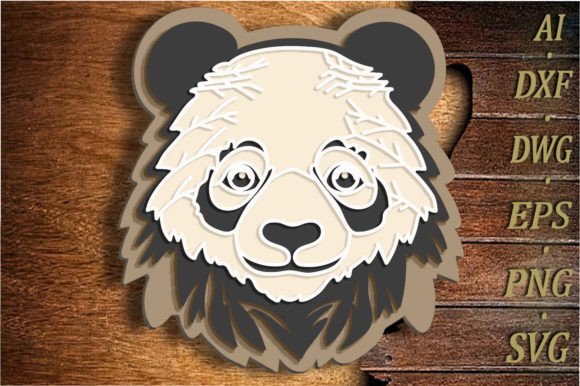
The first impression of the Panda SVG - Multi-Layer Assemble is one of playful depth. Unlike a flat silhouette that relies solely on outline or fill stitches, this design breaks the panda down into four distinct components. In a digital context, this creates a shadow effect or a pop-art aesthetic. For an embroidery project, this structure suggests a built-in applique style or a complex layered satin stitch approach. The visual personality is friendly, modern, and slightly whimsical, making it an ideal candidate for baby embroidery, nursery decor, or trendy custom apparel like oversized sweatshirts.
When I visualize this on a finished product, the separation of layers allows for creative thread color play. Instead of a standard black-and-white panda, you could use varying shades of charcoal, navy, or even pastel tones for the background layers to create a soft, dimensional look. This versatility is what separates a basic clip art from a professional-grade design asset. It invites the maker to interpret the design rather than just replicate it.
Real-World Application: From File to Fabric
To truly evaluate this file, I need to place it in a real scenario. Imagine preparing a custom embroidered tote bag for a boutique client who wants a "eco-friendly meets cute" vibe. The Panda SVG - Multi-Layer Assemble fits perfectly here. Because the design consists of separate layers, you can stitch the base layer directly onto the canvas of the tote using a dense fill stitch. Then, the subsequent layers can be applied as small patches or stitched with a raised satin stitch border to mimic the 3D effect described in the product type.
This approach works exceptionally well for sweatshirt embroidery as well. On a heavy cotton fleece, the layers would sit nicely without sinking into the fabric texture. For an Etsy seller or a small shop product line, this kind of detail elevates the perceived value of the item. Customers are increasingly looking for personalized gifts that feel crafted, not mass-produced. A multi-layered panda offers that tactile quality. If you were creating a holiday gift set, perhaps a pillow cover or a kitchen towel, the distinct layers allow for a crisp definition that holds up well against the weave of linen or cotton blends.
Navigating Technical Challenges in Stitching
While the potential is high, translating a 4-layer SVG intended for cutting into a digital embroidery file requires careful planning. You cannot simply import an SVG into your machine software and expect a perfect result. The "multi-layer" aspect means you must manually convert each shape into a stitch path. Here is where experience matters. If the layers are too close together, you risk thread bunching or puckering, especially on textured fabrics.
One area requiring caution is the hoop size. A full-sized panda with four distinct layers might exceed the capacity of a small 4x4 hoop, forcing you to split the design. Splitting a layered design is tricky; if the registration between layers is off by even a millimeter, the 3D illusion collapses. For caps or curved surfaces, this design might be too complex unless you significantly simplify the layers. Curved surfaces distort straight lines, and intricate multi-part designs can look messy when stretched over a cap panel.
Furthermore, consider the stitch density. If you attempt to stitch all four layers as solid fills on thin fabric, the weight of the thread will warp the material. In such cases, using the design as a guide for applique design is smarter. Cut the layers from felt or wool and stitch them down with a running stitch or satin edge. This honors the original intent of the "assemble" feature while ensuring durability for items that need frequent washing.
Strategic Use for Business and Branding
For the craft business owner, the Panda SVG - Multi-Layer Assemble offers a unique branding angle. The ability to deconstruct the image allows for modular marketing. You could sell the finished embroidered patch as one product, and the individual layers as a DIY kit for hobbyists. This flexibility increases your inventory options without needing new artwork.
However, before launching any commercial embroidery line, you must verify the licensing terms. Just because a file is sold as a vector for personal projects does not automatically grant commercial rights for stitched goods. Always confirm whether you can sell the finished product containing this design. Additionally, check if the license covers selling the converted embroidery file itself. Protecting your intellectual property and respecting the creator's terms is vital for long-term success.
Practical Designer Notes for Success
If you decide to move forward with this design, follow these practical steps to ensure a professional outcome:
- Test on Scrap Fabric First: Never hoop your final garment immediately. Run a test on a scrap piece of the same fabric to check how the layers align and how the thread tension affects the depth.
- Check Thread Color Contrast: Since this is a multi-layer design, contrast is key. Ensure the background layer provides enough separation from the foreground elements so the 3D effect is visible.
- Review Stabilizer Needs: With multiple layers of stitching, you will likely need a heavier cut-away stabilizer to support the weight and prevent shifting during the process.
- Inspect Small Details: Zoom in on the vector file. Are there tiny gaps between the layers? These can get lost in stitching or cause thread breakage. Simplify complex corners if necessary.
- Create Mockups: Before committing to production, create a printable mockup of the design on your intended product. Compare how it looks on light versus dark backgrounds to ensure visibility.
- Verify Licensing: Double-check the usage rights for both personal and commercial embroidery applications before listing items for sale.
The Panda SVG - Multi-Layer Assemble is not just another cute animal graphic. It is a structural challenge that rewards the skilled embroiderer with a unique, dimensional finish. By understanding its limitations on stretchy fabrics and mastering the conversion from vector to stitch, you can turn this digital file into a standout handmade product that resonates with customers looking for quality and creativity. Whether for a baby shower gift or a boutique apparel line, the depth this design brings can significantly enhance your brand's presentation and buyer engagement.