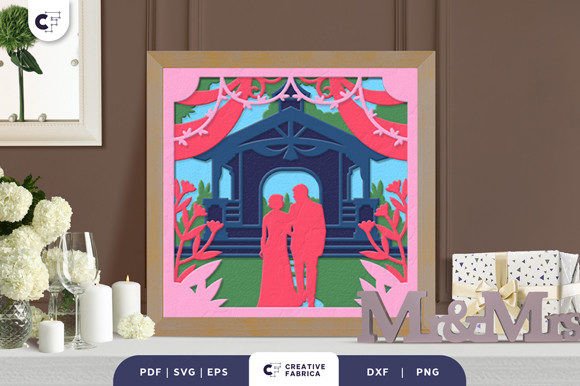
Reviewing the Wedding Pavilion Shadow Box Design
As a designer who has spent countless hours digitizing and testing embroidery files, I approach every new asset with a mix of curiosity and skepticism. We have all been there: you download a beautiful machine embroidery design, load it onto your machine, and watch in horror as the thread breaks or the fabric puckers beyond repair. That is why when I first encountered the Wedding Pavilion Shadow Box Paper Cut, my immediate instinct was not just to admire the aesthetic, but to dissect its practical viability for real-world application.
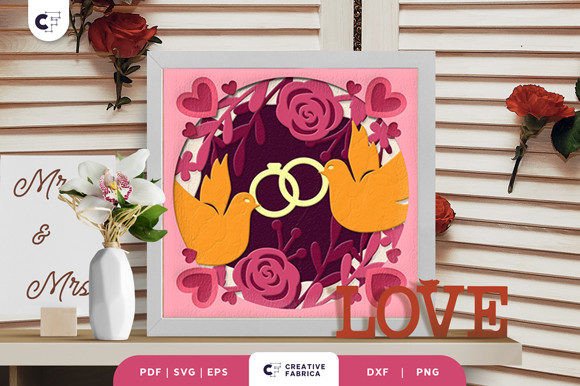
This particular asset presents itself as a layered, square paper cutting template. Visually, it carries the intricate, delicate charm of traditional shadow box art, translated into a format intended for crafters. However, the description notes that this is provided as an SVG file. For those of us in the embroidery world, this distinction is critical. An SVG is a vector graphic, typically used for cutting machines like Cricut or Silhouette, rather than a native embroidery file like DST or PES. This means the Wedding Pavilion Shadow Box Paper Cut is likely intended as a design asset for hybrid projects—perhaps as a printed element combined with stitching, or as a template for appliqué work where the cut shape is then secured with satin or running stitches.
The Aesthetic Mood and Visual Impact
The first impression of this design is one of romantic sophistication. The "pavilion" motif suggests structure and celebration, fitting perfectly within the wedding and event niche. The shadow box style implies depth and layering, which creates a rich visual texture even before a single stitch is thrown. For a craft business owner, this mood is invaluable. It speaks to customers looking for personalized, high-end keepsakes rather than generic mass-produced items.
In terms of layout, the square format offers versatility. It frames well on flat surfaces, making it an excellent candidate for framed wall art, coaster sets, or even the front panel of a structured tote bag. The intricacy of the paper-cut style demands precision. If you are planning to use this as an applique design, the edges must be crisp. Any fraying from the fabric will detract from the sharp, architectural lines that define the shadow box aesthetic.
Real-World Application: Beyond the Screen
Let us move away from theory and look at how this design performs in a actual production scenario. Imagine you are preparing a custom order for a bride who wants a unique guest book alternative or a decorative piece for her reception tables. While the product category is listed under Table Decorations, the potential extends further. I recently considered using a similar layered concept for a boutique client wanting branded merchandise.
If we treat the Wedding Pavilion Shadow Box Paper Cut as a guide for a mixed-media project, the possibilities expand. You could embroider the border using a dense satin stitch to create a frame, then place a laser-cut fabric or paper insert in the center. This approach mitigates the risk of trying to stitch extremely fine details that might collapse under tension. For a personalized gift, such as a wedding anniversary present, this hybrid method adds tangible value. The customer sees the effort of both digital precision and hand-guided craftsmanship.
For Etsy sellers and small shop owners, this design fits seamlessly into the trend of modern heirlooms. It works well on neutral fabrics like linen or cotton canvas, where the contrast between the thread and the material highlights the geometric complexity. If you are creating custom apparel, consider placing this on the back of a denim jacket or the pocket of a bridal robe. The square shape balances well on these larger canvases without overwhelming the garment.
Navigating Technical Challenges
However, we must address the limitations. Because this is a 3D SVG template originally designed for paper cutting, translating it directly into full-coverage embroidery requires careful judgment. If you attempt to digitize this yourself or use an auto-digitizer, beware of stitch density. Intricate paper-cut patterns often have tiny bridges and thin lines. In embroidery, these can easily become weak points where threads snap or pull out during washing.
When working with textured fabrics or stretchy materials like jersey for a sweatshirt embroidery project, stability is key. A complex design like this needs a robust stabilizer—likely a cut-away for garments that will be worn and washed frequently. On curved surfaces, such as a cap, the square geometry may distort. I would advise against using this specific layout on rounded heads unless you significantly simplify the outer borders to accommodate the curve.
Another consideration is scale. If you shrink this design for a small embroidered patch or a baby item, the fine details may merge into a blob of thread. Always test the design on scrap fabric first. Check the hoop size compatibility with your machine. If the design is large, ensure your hoop can handle the weight of the stabilizer and fabric without sagging, which causes registration errors in multi-layer designs.
Enhancing Brand Value and Customer Trust
From a business perspective, the quality of your design assets reflects directly on your brand. Using a well-structured template like the Wedding Pavilion Shadow Box Paper Cut allows for consistent output. When customers receive a finished product that looks professional and durable, trust is built. This leads to repeat business and positive reviews, which are the lifeblood of any small shop product line.
For those creating digital embroidery file bundles, offering this as a complementary cut file alongside your stitched designs can increase perceived value. It allows buyers to create matching decor items, such as invitations or favor boxes, creating a cohesive wedding theme. This cross-promotion strategy is effective for creative entrepreneurs looking to maximize revenue from a single design concept.
Practical Designer Notes
Before committing to a large production run, keep these practical tips in mind:
- Test on Scrap Fabric: Always run a test stitch-out on the same fabric type you intend to use for the final product. This reveals issues with tension and density.
- Check Thread Contrast: Use high-contrast thread colors during testing to clearly see where stitches overlap or gap. For the final product, choose thread colors that complement the fabric tone.
- Verify Licensing: Since this is provided as an SVG, confirm whether the creator allows commercial use of the cut files in conjunction with your embroidered goods. Never assume; always read the terms.
- Mockup in Black and White: Remove color from your digital preview to check the structural integrity of the design. If it looks muddy in grayscale, it will likely look cluttered when stitched.
- Consider the End Use: If the item will be washed frequently, such as a kitchen towel or baby blanket, reinforce small details with additional tack-down stitches or avoid using the finest elements altogether.
In conclusion, the Wedding Pavilion Shadow Box Paper Cut is a compelling asset for designers who understand the interplay between cut media and needlework. It is not a plug-and-play solution for every machine but rather a versatile component for thoughtful, mixed-media creation. By respecting its geometric nature and adjusting your technique accordingly, you can produce stunning handmade products that stand out in a crowded market. Whether for a holiday embroidery project or a year-round boutique staple, this design rewards patience and precision with exceptional visual appeal.