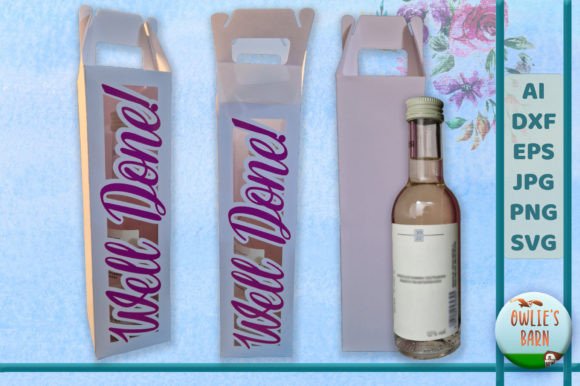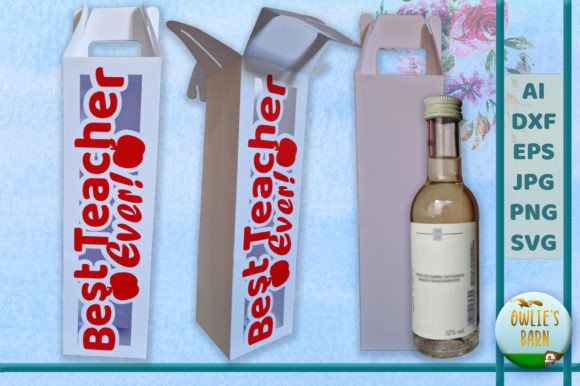
Wine Box for Teacher: A Designer's Practical Review
As a designer who spends countless hours evaluating digital assets for real-world application, I approach every new file with a critical eye. The market is flooded with generic graphics, but finding a design that translates well from screen to fabric requires specific attention to detail. Recently, I came across the Wine Box for Teacher design, marketed as a 3D SVG within the Gift Boxes category. While the description notes it is a digital product suitable for machine cutting, my focus here is on how this concept holds up when adapted for embroidery and finished handmade goods.
First Impressions: Mood and Visual Personality
At first glance, the Wine Box for Teacher carries a warm, appreciative tone that fits perfectly into the end-of-year or holiday season. The visual layout suggests a classic bottle silhouette, likely intended to evoke the sentiment of gifting a favorite vintage to an educator. For an embroidery project, the mood is crucial; we are not just stitching shapes, we are creating an emotional connection. This design feels personal and thoughtful, avoiding the clutter often found in generic teacher appreciation graphics.
The "3D" aspect mentioned in the product type implies depth, which is exciting for textile work. In embroidery, achieving a 3D look usually relies on clever use of fill stitch gradients or layering techniques. If the vector lines are clean, this could translate into a stunning satin stitch outline that pops against a textured background. However, as a reviewer, I always ask: does the simplicity hold up under magnification? A wine bottle shape can be deceptively simple, but the label area or any accompanying text needs to remain legible after conversion to a machine embroidery design.
Real-World Application: From Concept to Finished Product
Let’s imagine a practical scenario. You run a small shop on Etsy specializing in personalized gifts for educators. A customer orders a custom tote bag or a heavy cotton apron to give to their child’s favorite teacher. You load the Wine Box for Teacher file into your digitizing software. How does it perform?
For a tote bag design, the scale is generally forgiving. The bottle shape works well as a central motif. If you are using this for sweatshirt embroidery, the stretch of the fabric becomes a factor. The design needs enough structural integrity in its stitch path so that it doesn't pucker when the garment moves. I would envision this design working beautifully on a dark navy or forest green sweatshirt, where the contrast highlights the "bottle" form.
Consider also the potential for embroidered patches. The Wine Box for Teacher concept is compact enough to be turned into a high-quality patch that can be ironed onto backpacks or denim jackets. This versatility increases the value of the digital embroidery file for a craft business. Instead of selling just one item, you can offer the design as part of a collection of holiday embroidery items, expanding your inventory without needing physical stock.
However, caution is needed with delicate items. If you attempt this on baby embroidery projects or thin nursery decor, the density of the stitches might overwhelm the fabric. The weight of the thread required to achieve the 3D effect could cause warping on lightweight materials like flannel onesies. It is best suited for sturdier textiles where the stitch density can be supported without compromising the drape of the fabric.
Navigating Challenges: Fabric and Hoop Considerations
No design is perfect for every situation. When working with Wine Box for Teacher, there are specific constraints to manage. First, consider the hoop size. While the bottle shape is relatively narrow, any accompanying text like "Thank You" or "Teacher" will extend the width. You must ensure your hoop accommodates the full composition without distorting the proportions.
Fabric texture plays a significant role in the final look. On highly textured fabrics like chenille or boucle, fine details in the wine label or box folds might get lost. In such cases, simplifying the running stitch elements or increasing the line weight is essential. Similarly, on dark fabrics, the thread colors need careful selection. A white or gold outline might be necessary to define the edges clearly, ensuring the design stands out rather than blending into the background.
Another critical area is curved surfaces. If you plan to embroider this on a cap, the curvature can distort the vertical lines of the bottle. You may need to adjust the placement or resize the embroidery file slightly to account for the dome of the hat. Additionally, avoid placing dense fill stitch areas right at the edge of a seam, as this can cause the fabric to bunch up during sewing.
Design Notes for Professional Execution
Before committing to a client order or listing this as a small shop product, follow these professional steps:
- Test on Scrap Fabric: Never skip the test run. Stitch the Wine Box for Teacher on a scrap piece of the exact fabric you intend to use. Check for puckering, especially if the design includes large filled areas.
- Check Thread Contrast: Ensure the chosen thread colors provide enough contrast against the base material. Low contrast can make the design appear muddy or unfinished.
- Verify Stabilizer Needs: Given the potential for dense stitching to create a 3D effect, use a strong tear-away or cut-away stabilizer. This prevents distortion and ensures the finished product maintains its shape after washing.
- Review Small Details: Zoom in on the digitized file. Are there tiny gaps in the satin stitch? Are the corners sharp enough? Sometimes, what looks good on a screen requires manual tweaking in the software.
- Mockup Variations: Create printable mockups showing the design on both light and dark backgrounds. This helps customers visualize the final result and boosts buyer engagement.
- Licensing Check: Remember, the product description states this is a digital product only. Always confirm the licensing terms before selling commercial embroidery items. Ensure you have the rights to sell finished goods made from this asset.
Impact on Brand and Customer Trust
Using a well-executed design like Wine Box for Teacher elevates your brand. It signals to your customers that you pay attention to quality and detail. A clean, crisp custom apparel item with a thoughtful design builds trust. Customers are more likely to return to a shop that delivers professional results consistently.
Furthermore, the giftability of this design is high. Teachers appreciate personalized tokens of gratitude. By offering a unique personalized gift option, you differentiate yourself from competitors selling mass-produced items. The visual appeal of the design directly influences the perceived value of your handmade product. When a customer sees a high-quality embroidery job, they associate that craftsmanship with your entire business.
Final Verdict for Makers and Entrepreneurs
The Wine Box for Teacher offers a solid foundation for seasonal design assets. Its theme is timely, and its shape is versatile enough for various applications, from pillow covers to kitchen towels. However, success lies in the execution. As a designer, I recommend treating this file as a starting point. Adapt it to your specific machine capabilities, test thoroughly on different fabrics, and ensure your digitizing settings match the complexity of the design.
Whether you are an Etsy seller looking to boost holiday sales or a hobbyist creating a special gift, this design has the potential to shine. Just remember to respect the technical limitations of your equipment and materials. With proper preparation and a keen eye for detail, the Wine Box for Teacher can become a standout piece in your portfolio of commercial embroidery projects.