Fairy in the Garden Shadow Box: 3D SVG Review
As a graphic designer who spends most of my day balancing client expectations with creative integrity, I approach every new asset with a critical eye. Recently, I was tasked with developing a whimsical yet polished visual identity for a small handmade business launching a line of botanical home decor. The brief required something that felt magical but grounded enough for commercial packaging and social media marketing. That is when I encountered the Fairy in the Garden Shadow Box. My goal here is not just to describe the file, but to evaluate its practical application in real-world design scenarios.
First Impressions: Mood and Visual Weight
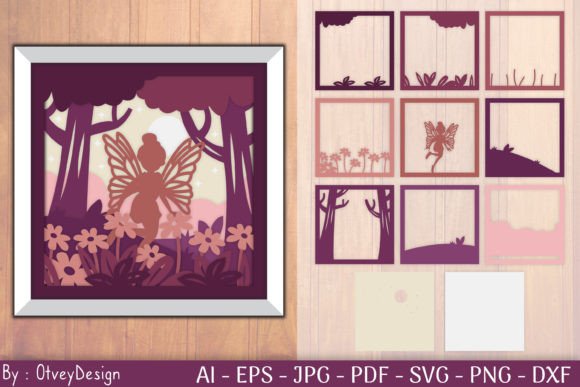
Upon opening the preview files, the immediate impression of the Fairy in the Garden Shadow Box is one of layered depth. Unlike flat clipart that often feels generic, this illustration utilizes the principles of Shadow Boxes to create a tangible sense of space. The composition suggests a scene where elements recede and advance, giving it a three-dimensional quality even before any physical assembly takes place. For a brand owner looking to elevate their brand identity, this depth is crucial. It signals quality and attention to detail without requiring complex custom illustration work from scratch.
The color palette and line work evoke a serene, enchanted atmosphere. This makes it an ideal candidate for projects targeting audiences interested in nature, fantasy, or cozy aesthetics. However, as a professional, I immediately began assessing how this mood translates across different mediums. Does it hold up on a tiny product label? Can it serve as a hero image for a website? These are the questions that determine whether a graphic design asset is truly versatile or merely decorative.
Performance in Real Design Situations
In the context of my client's project, the primary challenge was creating cohesive marketing visuals that worked across digital and physical formats. The Fairy in the Garden Shadow Box proved surprisingly adaptable. When placed within a product mockup for a tote bag, the intricate details of the fairy and garden elements remained crisp, provided the resolution was sufficient. For print-on-demand sellers, this is a significant advantage. Many assets lose their charm when scaled down, but the vector-based nature of the core elements ensures scalability.
I also tested the asset in social media graphics. On Instagram, where visual hierarchy is key, the design stood out against both light and dark backgrounds. Its complexity adds texture to feed posts, preventing them from looking too sterile. Furthermore, for editorial design purposes, such as blog headers or magazine layouts, the illustration serves as a compelling focal point. It draws the reader in, setting the tone for content related to gardening, DIY crafts, or seasonal lifestyle topics.
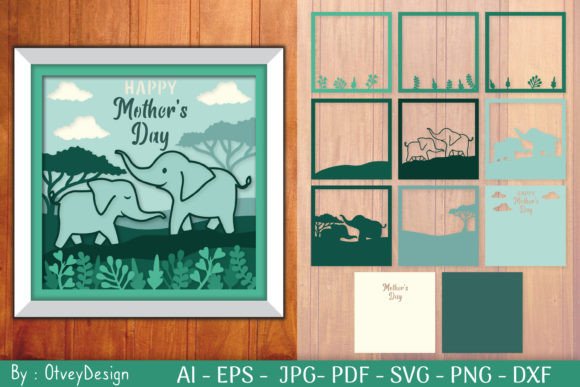
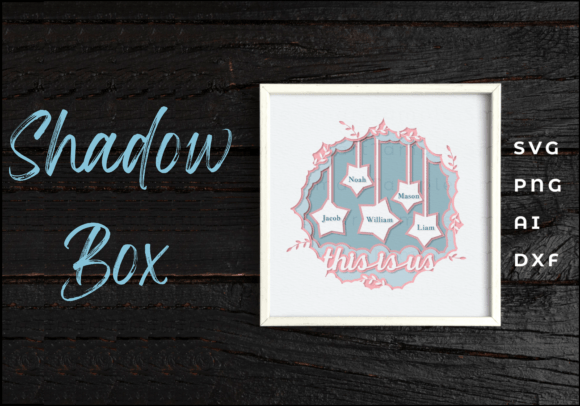
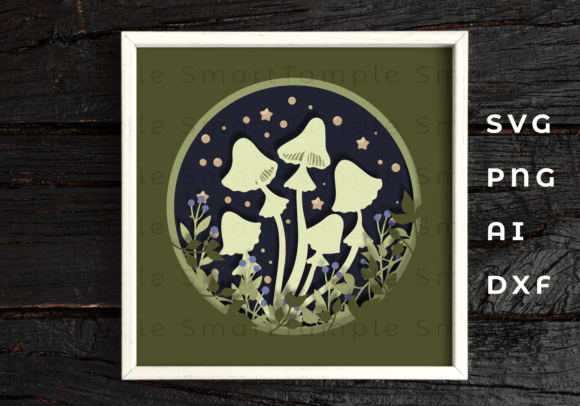
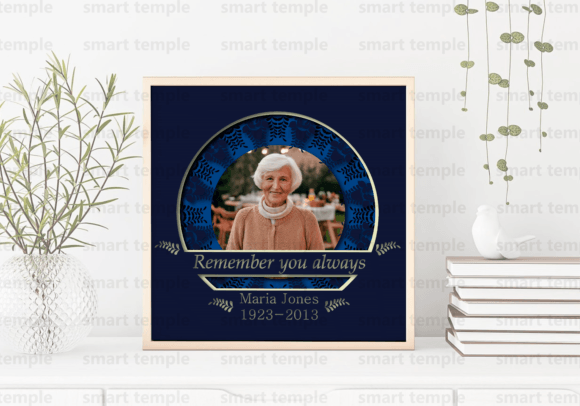
One of the most exciting aspects of this download is the inclusion of a 3D SVG cut file. This opens the door for physical crafting applications. If your client operates an Etsy shop or a local boutique, they can use this file with a Cricut machine to create actual shadow box decorations. This bridges the gap between digital branding and physical merchandise, allowing for a unified aesthetic from the website banner to the shelf display.
Where This Asset Shines Brightest
To get the most value from the Fairy in the Garden Shadow Box, designers should leverage it in areas that allow for visual breathing room. It excels in large layout areas, such as website hero sections or full-page posters. In these contexts, the layers of the design can be fully appreciated, creating a rich, immersive experience for the viewer. It is also perfect for themed collections. If you are designing a series of stickers or a set of greeting cards, this illustration can anchor the collection, providing a consistent visual thread.
Additionally, this asset works beautifully as a decorative accent in packaging design. Imagine a luxury soap bar or a candle jar; placing a simplified version of this fairy scene on the label adds a touch of magic that elevates the perceived value of the product. For digital sellers offering printable wall art, the inherent depth of the design means customers will receive a piece that looks more expensive than it actually cost to produce.
Strategic Limitations and Careful Application
While versatile, no asset is a universal solution. The Fairy in the Garden Shadow Box requires careful handling in crowded layouts. Because the design contains multiple layers and intricate details, placing it next to dense text or other busy graphics can lead to visual clutter. In these cases, the visual hierarchy may suffer, making it difficult for the audience to focus on the primary message.
Designers should also exercise caution when using this asset for minimalist branding or corporate materials. The whimsical nature of a fairy in a garden does not align well with serious, high-end corporate identities or sleek, modern tech brands. Similarly, at very small sizes, such as on a business card or a tiny icon, the fine details might become indistinguishable. In such instances, it is better to simplify the design or choose a different element entirely.
Practical Designer Notes for Commercial Use
Before integrating any creative design asset into a client project, I follow a strict checklist to ensure professionalism and compliance. First, always test the design in black and white. Even if the final output is colorful, checking the grayscale version ensures that the contrast is sufficient for readability and reproduction. Next, verify the transparency of the PNG files. A clean background is essential for layering the design over various textures or photos.
If you plan to use the SVG design for cutting, inspect the node count and path integrity. Complex vectors can sometimes cause issues with cutting machines like the Cricut, leading to misaligned cuts or wasted material. It is wise to run a test cut on scrap material before committing to expensive vinyl or wood. Additionally, review the font pairings. This illustration pairs well with script fonts for a romantic feel or handwritten fonts for a personal touch, but it may clash with rigid sans-serif typefaces unless used sparingly.
Finally, and perhaps most importantly, confirm the commercial license. As a professional working with clients, I must ensure that the rights to use the asset extend to the end product, whether it is a t-shirt design, a sticker pack, or a marketing campaign. Never assume that free or low-cost assets come with unlimited commercial rights. Always read the terms of service provided by the creative marketplace.
Final Verdict for Brand Owners and Creators
The Fairy in the Garden Shadow Box is a robust tool for designers looking to inject enchantment into their projects. It offers a unique blend of digital versatility and physical crafting potential, making it a valuable addition to any design bundle. Whether you are creating Canva templates for bloggers, designing sublimation designs for mugs, or building a complete brand identity for a handmade business, this asset delivers on its promise of visual appeal.
However, its success depends on thoughtful application. By respecting its limitations regarding scale and complexity, and by rigorously testing it across different mediums, you can ensure that the final result is polished and professional. For the right project, this illustration does more than just decorate; it tells a story and creates an emotional connection with the audience. In a saturated market, that kind of storytelling is exactly what sets a brand apart.