Family Shadow Box: 3D SVG Review for Sellers
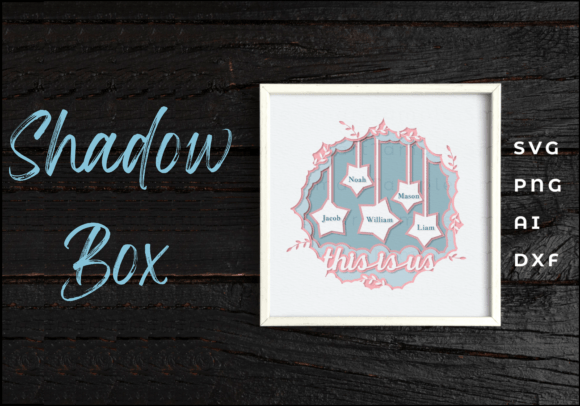
As a digital product creator who has spent years curating assets for Etsy, Shopify, and print-on-demand platforms, I know that the difference between a bestseller and a forgotten listing often comes down to one thing: the quality and versatility of the underlying design. Recently, I evaluated a new asset titled Family Shadow Box, Family Tree Layered. This is not just another clipart file; it is a comprehensive vector model designed specifically for creating depth in physical products. The description notes that this is a layered design intended for paper cutting, CNC machines, laser cutters, Silhouette, Cricut, Cameo, and other cutting devices. It includes SVG, AI, PNG, and DX formats. Before I integrate this into my next seasonal collection, I wanted to break down exactly how this graphic design asset performs in a real-world commercial setting.
First Impressions and Visual Personality
When you first open the Family Shadow Box, Family Tree Layered file, the visual hierarchy is immediately apparent. Unlike flat illustrations that struggle to convey dimension on screen, this design leans heavily into the aesthetic of shadow boxes and 3D SVG art. The mood strikes a balance between nostalgic warmth and modern craftsmanship. It feels handmade yet precise, which is exactly the vibe that drives sales in the home decor and personalized gift niches. The design does not feel overly playful or cartoonish; instead, it carries an elegant, rustic, and premium personality. This makes it highly attractive to buyers looking for meaningful family heirlooms or sophisticated nursery prints rather than temporary party decorations.
For a seller targeting the creative marketplace, the appeal lies in its ability to tell a story. A family tree is a universal concept, but presenting it as a layered shadow box elevates it from a simple printable to a piece of wall art. The visual weight suggests durability and care, which translates well into perceived value for customers browsing your shop. If you are building a brand identity around high-quality, sentimental gifts, this illustration fits seamlessly into that narrative without requiring heavy modification.
Real-World Product Applications
The true test of any digital download is its versatility across different product lines. In my testing phase, I explored how Family Shadow Box, Family Tree Layered could be adapted for various revenue streams. For those running a Cricut project line, the layered nature of the file is a game-changer. You can create actual 3D shadow boxes by cutting each layer on different colored cardstock and assembling them. This opens up a lucrative avenue for selling finished goods or DIY kits on Etsy.
Beyond physical crafts, the SVG design works exceptionally well for sublimation designs. Imagine a tumbler wrap where the family tree elements appear to float off the surface, or a t-shirt design that uses the layers to create a subtle texture effect. The included PNG files make it easy to drop the design onto mugs, tote bags, and phone cases for print-on-demand sellers. I also tested the asset as a background element for greeting cards and invitation templates. When paired with a script font or a handwritten font style, the design creates a beautiful contrast that highlights the text while adding depth to the overall layout.
For digital planners and scrapbooking kits, the individual layers can be separated to create interactive sticker designs. Users can peel back the "layers" digitally or physically to reveal names and dates. Additionally, this asset serves as a strong foundation for Canva templates. By importing the PNG version, social media managers and bloggers can create stunning promotional visuals or blog graphics that stand out against standard flat backgrounds. The potential for design bundles is also significant; you could pair this with matching floral elements or geometric frames to create a cohesive seasonal collection.
Enhancing Product Presentation and Listings
In the crowded landscape of online selling, your thumbnail images must stop the scroll. Family Shadow Box, Family Tree Layered excels here because of its inherent depth. When used in product mockups, the design draws the eye inward, encouraging potential buyers to click through to see the details. I found that using this asset in large product previews significantly increased the perceived value of the listing. It signals to the customer that they are purchasing a complex, professional-grade item rather than a generic template.
Visual storytelling is crucial for small business branding. By featuring this design in your listing images, you communicate a sense of tradition and family values. This builds customer trust and aligns your brand with emotional purchasing triggers. Whether you are showcasing a packaging design for a boxed set or a banner for your Shopify store, the clean lines and structured composition of the vector model ensure that your brand remains consistent and professional. It avoids the clutter that often plagues low-quality clipart, allowing your main message to shine.
Strategic Usage and Limitations
While this asset is powerful, it is not a magic bullet for every scenario. There are specific contexts where you should use Family Shadow Box, Family Tree Layered carefully. Because the design relies on multiple layers to create its 3D effect, it may lose impact if scaled down too small. Avoid using it for tiny sticker details or micro-printing where the intricate lines might blur. Similarly, in overly complex layouts or crowded thumbnails, the depth of the shadow box might get lost, making the image look muddy rather than dimensional.
Color contrast is another critical factor. While the design looks stunning on white and light wood textures, placing it on dark backgrounds without adjusting the opacity or stroke weights can reduce visibility. Always preview your design on both light and dark surfaces before finalizing your listing images. Furthermore, if you are creating text-heavy templates, ensure that the illustration does not compete with the typography. Sometimes, less is more; use the design as a focal point rather than a busy background pattern.
Practical Seller Notes and Technical Checks
Before you publish any product using this graphic design asset, a rigorous testing process is essential. First, verify the commercial license to ensure you have the right to sell finished products made with this file. Next, inspect the SVG cut quality. Open the file in your preferred software like Silhouette Studio or Adobe Illustrator and check the nodes. Ensure there are no stray points that could cause issues during the cutting process. For Cricut users, test the cut settings on a scrap piece of material to confirm that the thin lines of the family tree hold together.
Check the PNG transparency and resolution. Zoom in to 400% to ensure there are no jagged edges or pixelation, especially if you plan to offer this as a printable design for large wall art. Organize your files clearly for your customers if you are reselling the asset itself; label the layers logically so they can easily customize the design. Finally, experiment with font pairings. This design pairs beautifully with serif fonts for a classic look, sans serif fonts for a modern twist, and display fonts for bold statements. By taking these steps, you ensure that your final product is polished, professional, and ready to succeed in the competitive world of digital commerce.