Simple Art Deco Style Window Pillow Box Review
As a designer who spends countless hours translating digital concepts into tangible stitched goods, I approach every new asset with a critical eye. The market is flooded with generic patterns, but occasionally, a design arrives that strikes the right balance between aesthetic charm and practical application. That is exactly my first impression of the Simple Art Deco Style Window Pillow Box. While this specific asset is categorized as a 3D SVG for creating physical Gift Boxes, its visual language offers profound insights for embroidery designers looking to adapt art deco motifs for custom apparel and home decor.
The Aesthetic Appeal and Design Personality
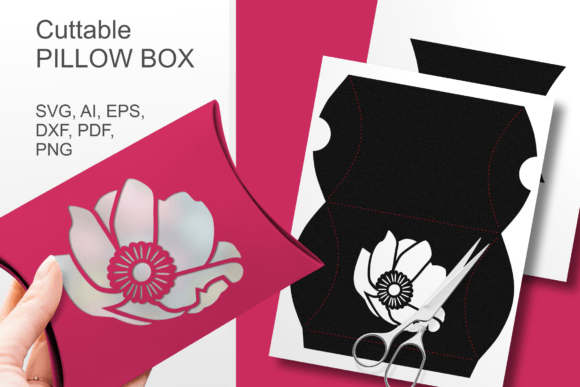
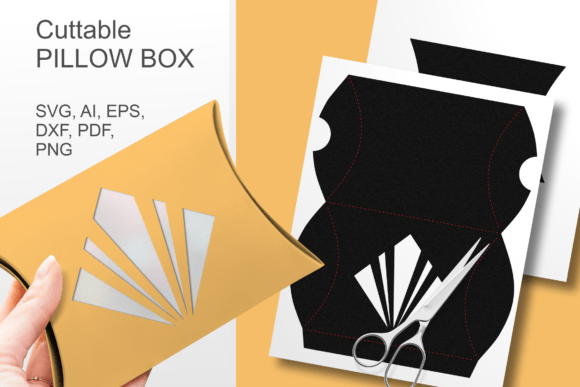
At first glance, the Simple Art Deco Style Window Pillow Box exudes a sense of refined nostalgia. The geometric lines and symmetrical window motif are hallmarks of the art deco movement, yet the "simple" descriptor suggests a streamlined execution that avoids the clutter often found in vintage reproductions. For an embroidery project, this clarity is paramount. When we translate vector shapes into thread, complexity can quickly turn into a muddy mess if the stitch density isn't managed perfectly. This design's clean geometry makes it an ideal candidate for conversion into a machine embroidery design or for use as a template for applique work.
The mood it creates is one of sophisticated celebration. It feels less like a standard craft supply and more like a boutique branding element. If you were to adapt this window motif onto a tote bag design or a linen pillow cover, it would immediately elevate the perceived value of the item. The sharp angles contrast beautifully with soft fabrics, creating a visual tension that catches the eye. In a sea of floral and organic embroidery trends, this structured approach offers a fresh alternative for clients seeking something modern yet timeless.
Adapting the Design for Real-World Embroidery Projects
Let’s imagine a real-life scenario: You are an Etsy seller preparing a collection of personalized gifts for the upcoming spring season. You have a client requesting a custom embroidered sweatshirt for a bridal party gift, but they want something distinct from the usual script fonts and flowers. Here is where the Simple Art Deco Style Window Pillow Box becomes a powerful tool. By extracting the central window motif, you could create a striking chest logo or a back patch. The geometric nature of the design translates well into satin stitch borders, which provide a crisp, glossy finish that mimics the metallic sheen often associated with art deco architecture.
Consider also the application on baby embroidery items. While art deco can feel heavy, the simplified lines of this template allow for a softer interpretation using pastel thread colors on a cream knit fabric. Imagine a onesie with a small, subtle version of the window frame on the sleeve cuff. It adds a touch of whimsical elegance without overwhelming the garment. Similarly, for kitchen textiles like aprons or tea towels, this motif works exceptionally well as a corner accent. The structured shape frames the text or logo you might add inside the window, turning a simple towel into a curated handmade product.
For those running a craft business focused on holiday embroidery, this design offers versatility. The "window" concept naturally invites customization. You could fill the negative space with seasonal elements—perhaps a delicate holly berry cluster for Christmas or a sprig of lavender for Easter—while keeping the sturdy art deco frame intact. This modular approach allows you to reuse the core design assets across multiple seasons, maximizing the return on your digital investment.
Navigating Technical Challenges and Fabric Choices
However, enthusiasm must be tempered with technical reality. Before committing to a commercial run, any experienced embroiderer knows the importance of testing. The Simple Art Deco Style Window Pillow Box features sharp corners and potentially thin lines depending on the scale. These elements can be tricky on textured fabrics like denim or fleece. On such surfaces, the crisp edges may soften, losing the definition that makes the art deco style effective. I strongly advise testing the design on scrap fabric first to see how the needle penetrates the material at those acute angles.
Stitch density is another critical factor. If you attempt to fill the entire window area with a dense fill stitch, you risk puckering the fabric, especially on lightweight materials like silk or thin cotton. Instead, consider using a running stitch outline or a sparse fill pattern to maintain the structural integrity of the garment. When working with dark fabrics, the choice of thread colors becomes even more vital. A white or light gold satin stitch against a navy background will make the design pop, whereas similar tones might cause the intricate details to vanish.
Hoop size is also a constraint to consider. While the original 3D SVG file might be large enough for a box, your embroidery hoop might limit the maximum width. If you are designing for a cap or a curved surface, ensure that the straight lines of the art deco frame do not distort when stretched over the curve. In these cases, breaking the design into smaller segments or adjusting the curvature digitally before stitching is essential to maintain professional results.
Strategic Considerations for Small Business Owners
For the digital product sellers and creative entrepreneurs, understanding the licensing and adaptability of this asset is crucial. While the Simple Art Deco Style Window Pillow Box is sold as a template for physical boxes, the underlying graphic principles are valuable for digital mockups. Creating printable mockups that showcase how this design looks on various finished products can significantly boost buyer engagement on your shop page. Customers need to visualize the potential; showing the motif on a sweatshirt, a patch, or a tote bag helps them understand its versatility beyond just packaging.
Brand consistency is key for any small shop product line. Using a recurring motif like this window frame can become a signature element of your brand. Whether it appears on your packaging, your tags, or the actual embroidered goods, it builds recognition and trust. However, always confirm the licensing terms before selling finished items. Ensure that your usage rights cover commercial embroidery projects and that you are permitted to modify the design for different applications. Never assume that a file bought for one purpose automatically grants rights for all derivative works.
Final Verdict on Practical Utility
In conclusion, the Simple Art Deco Style Window Pillow Box is more than just a template for packaging; it is a rich source of inspiration for the discerning embroidery designer. Its clean lines and classic aesthetic offer a refreshing departure from the overly ornate designs that saturate the market. With careful attention to stabilizer selection, thread color contrast, and stitch density, this design can transform ordinary garments into high-end, personalized gifts.
Whether you are crafting a single custom order or scaling up for a holiday collection, the principles embedded in this design encourage precision and creativity. By respecting the technical limitations of the medium while embracing the artistic potential of the motif, you can create finished products that stand out for their quality and style. As always, test thoroughly, observe the interaction between thread and fabric, and let the design serve the function of the final product. This is how we move from simply making things to truly designing experiences.